
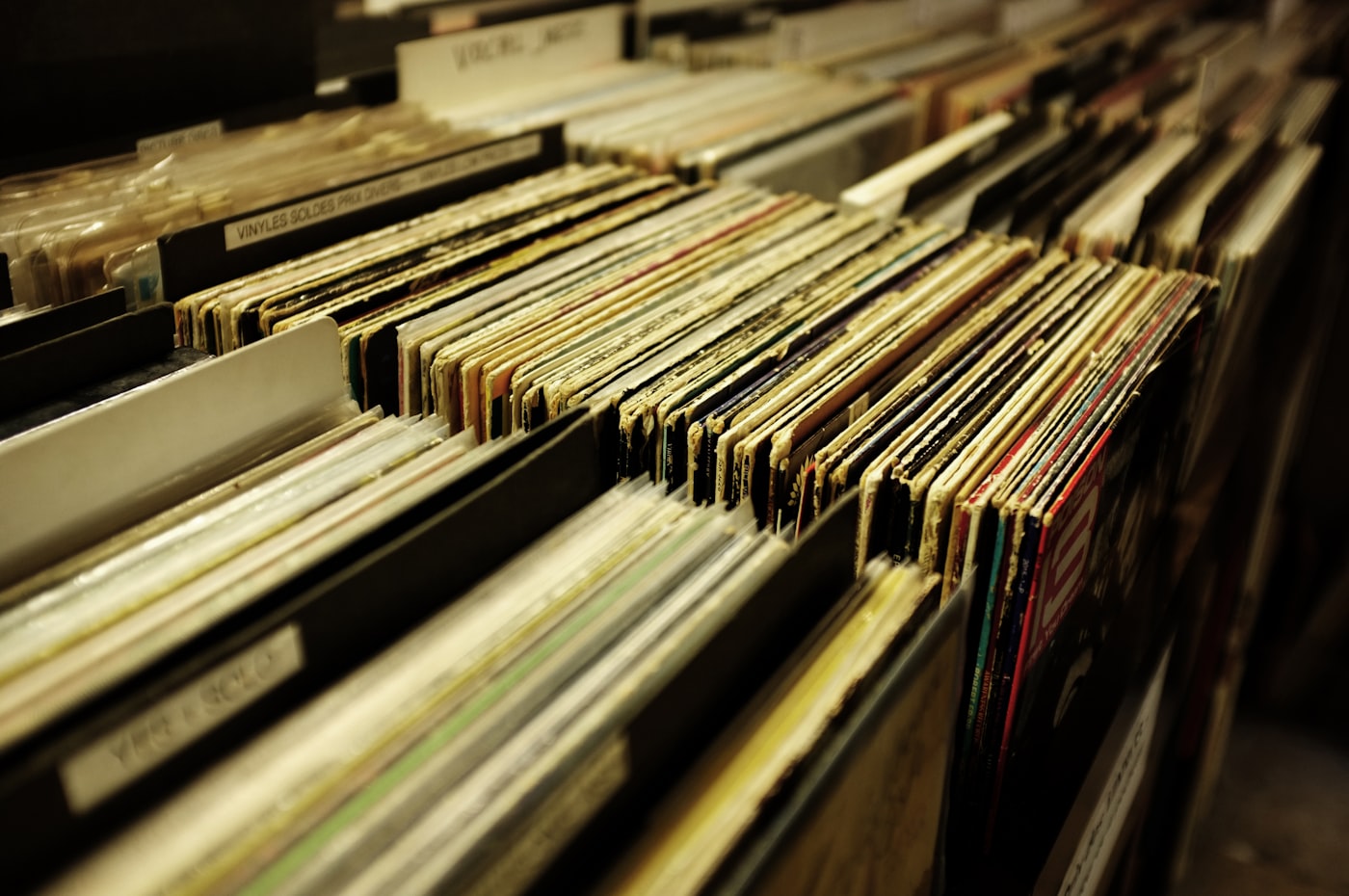
Why Buying Used Music Gear Makes Financial Sense
New instruments depreciate fast. Used gear offers better value, access to premium instruments, and often outperforms its price. Here's the financial case.
The Depreciation Reality
A new guitar, amp, or synthesiser depreciates the moment it leaves the shop. Not dramatically, in most cases — music gear doesn't lose value as fast as a new car — but the first buyer absorbs the initial depreciation curve that makes secondhand instruments such good value for the next buyer.
For a mid-range electric guitar retailing at £800, the first year of ownership typically sees it reach a stable secondhand value of around £450–£550. The second buyer gets a guitar that's functionally identical to new — no different in sound or playability — at 35–45% less cost. That's a meaningful saving by any measure.
Access to Premium Instruments
Depreciation creates a secondary benefit that new-gear buyers miss entirely: budget access to premium instruments. The guitarist whose budget caps at £600 cannot buy a new Gibson Les Paul Standard. But a used Les Paul Standard from a careful previous owner two or three years old can fall comfortably within that budget.
This effect becomes more pronounced at higher price points. A £3,000 budget that buys a decent new guitar will buy an exceptional used guitar — potentially one that could not be replicated at any new price.
Vintage and Collectable Gear
For vintage and limited instruments, the used market isn't just good value — it's the only market. A 1959 Gibson Les Paul, a pre-CBS Fender Stratocaster, or an original Minimoog synthesiser cannot be bought new. The only way to own these instruments is through the secondhand market.
And unlike most consumer goods, well-chosen vintage musical instruments have historically appreciated in value. The experienced buyer who purchased a clean 1960s Fender Telecaster for £5,000 five years ago may find it worth £8,000 or more today. The instrument has functioned both as a musical tool and as a store of value.
The Environmental Argument
Beyond the financial case, buying used extends the useful life of existing instruments and reduces demand for new production. Musical instruments are generally durable objects — a well-maintained guitar can last generations. Choosing secondhand participates in a circular economy that has worked well in the music world for decades.
What to Watch Out For
The used market's advantages come with responsibilities that new purchases don't require:
- Condition matters enormously — the difference between Excellent and Good condition can represent hundreds of pounds
- Research is essential — understanding what a fair price looks like for any given instrument protects against overpaying
- Buy from trustworthy sources — a platform that gives you recourse for misrepresented items is worth choosing over cheaper alternatives without that protection
Tonebay's seller profiles, direct messaging, and buyer protections are designed specifically to address these concerns — giving buyers the confidence to access the used market's advantages without the risks that historically came with them.
The Smart Approach
The smartest gear buyers we encounter tend to share a common approach: they buy used, they buy quality, and they hold. They buy instruments they'd be happy to own for years. If their needs change, they sell — often for close to what they paid, or occasionally more.
This approach treats musical instruments not just as tools but as assets worth thoughtful acquisition. It's an approach that the used market makes possible in a way that new retail simply doesn't.
Stay in tune with Tonebay
Weekly gear news, buying guides, artist features, and exclusive Tonebay deals — straight to your inbox.
No spam. Unsubscribe anytime.
More in Buying Guides
 Buying Guides
5 Bass Guitars Every Serious Player Should Know
Five bass guitars that shaped the instrument's history and continue to define its possibilities — from the Fender Precision to the Rickenbacker 4003.
 Buying Guides
The Best Beginner Electric Guitars Worth Buying
Starting out doesn't mean settling for bad gear. These beginner electric guitars offer real quality at accessible prices and won't hold you back.
 Buying Guides
The Bass Sounds Behind Classic Funk Records
The bass is the engine of funk music. Here's a deep dive into the players, gear, and techniques that created some of the most infectious grooves ever recorded.