
Choosing Your First Drum Kit: A Practical Guide
Acoustic or electronic? Shell sizes, hardware essentials, and what to avoid — a no-nonsense guide to buying your first drum kit.
The First Decision: Acoustic or Electronic?
Before getting into brands, sizes, or budgets, the most important decision for a first drum kit is whether to go acoustic or electronic. And the honest answer depends less on your musical preferences than on your living situation.
An acoustic drum kit in a flat, thin-walled house, or anywhere with close neighbours is a reliable way to create serious problems. Even with practice pads, mesh heads, and riser mats, the low-frequency impact of a kick drum travels through floors and walls in ways that electronic alternatives don't.
If you have the space and freedom to make noise — a detached house with tolerant neighbours, access to a rehearsal space, or a soundproofed room — then acoustic is almost always the better learning tool. The feel and response of a real acoustic kit is significantly different from electronic alternatives, and learning on acoustic means your skills transfer more directly to any playing context.
If noise is genuinely an issue, a quality electronic kit is a legitimate and practical solution. Just know that the transition to acoustic playing will require adjustment.
Acoustic Kits: What to Look For
Shell Material and Size
Entry-level kits use a range of wood combinations, but for beginners, the brand name and manufacturing quality matter more than the specific tonewood. A well-made kit in a reputable brand's beginner range will outlast and outperform a poorly made kit in expensive wood.
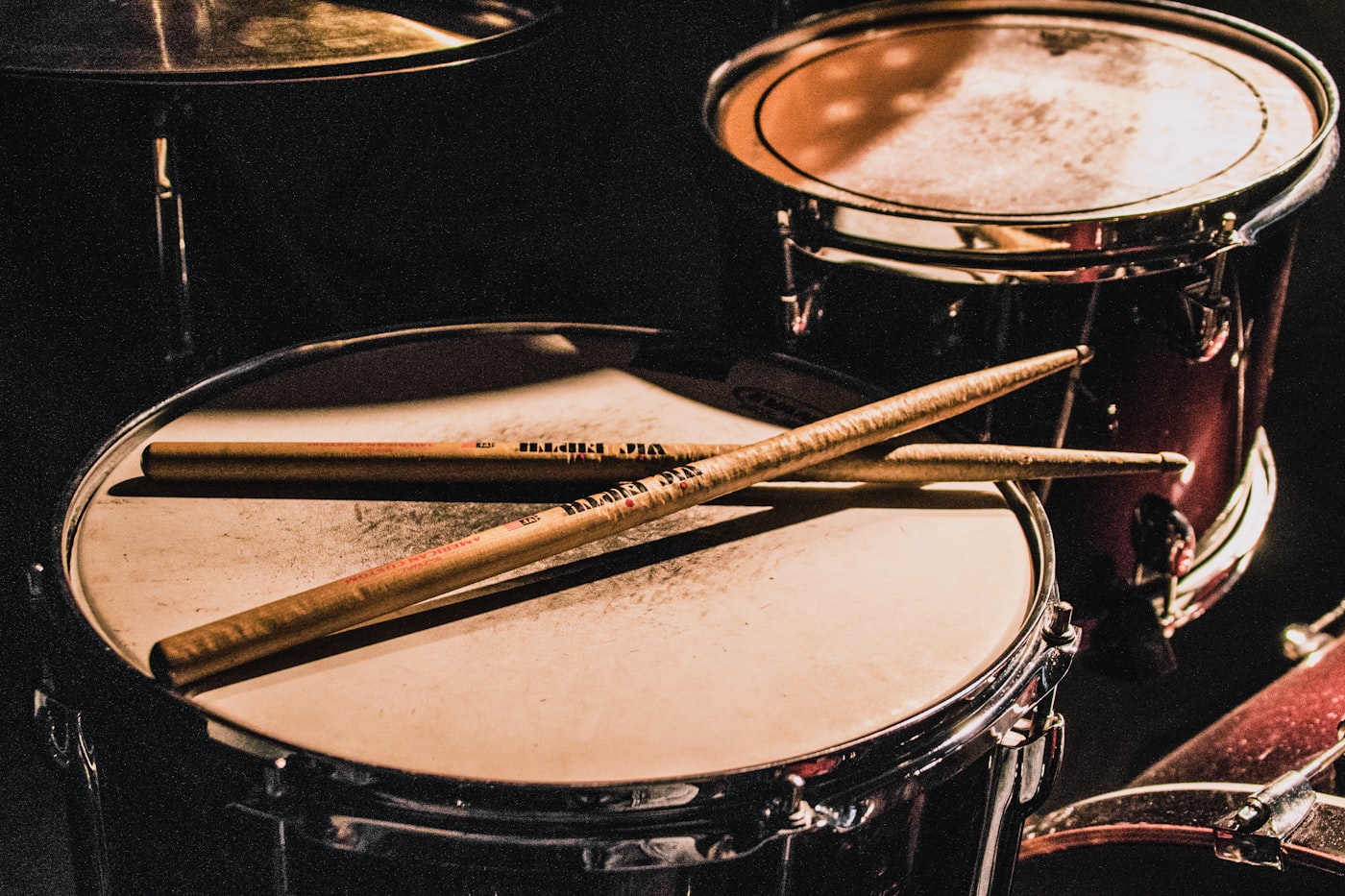
Standard beginner configurations are typically 5-piece: bass drum, snare drum, hi-hat, rack tom, and floor tom. You don't need anything more complex than this to start with.
Shell sizes affect the tuning range and tonal character of the drums:
- Rock configuration (22" bass, 12"/13" toms, 16" floor) — deeper, fuller low end
- Fusion configuration (20" bass, 10"/12" toms, 14" floor) — punchier, more articulate, better for jazz and lighter styles
For most beginners, a standard rock configuration gives the most flexibility.
Hardware Quality
This is where many budget kits cut corners most seriously. Wobbly hi-hat stands, cymbal stands that can't hold position, and throne seats that fold unexpectedly are not just annoying — they're genuinely frustrating when you're trying to develop technique. Decent hardware is more important than decent shells at this stage.
If buying a kit that comes with cymbals, view the included cymbals as temporary. Budget kit cymbals are usually the weakest component.
Recommended Brands for Beginners
- Pearl Roadshow — reliable quality control, good hardware, comes with cymbals
- Tama Imperialstar — slightly better shells than the Pearl, excellent starter kit
- Mapex Tornado — consistent quality, widely available used
- Yamaha Stage Custom — a step up in quality and price, worth it if budget allows
Electronic Kits: What to Look For
The defining feature quality split in electronic kits is mesh heads vs rubber pads. Mesh heads feel significantly more like acoustic drums in terms of rebound and sensitivity. Rubber pads are cheaper and more durable but less responsive.
For any serious practice intention, a mesh-head kit is worth the extra investment. The Roland TD series and Alesis Nitro Mesh are widely recommended entry points.
Buying Used
Drum kits are excellent candidates for secondhand purchase. They're durable, they hold their value reasonably well, and the main wear components — heads and cymbals — are cheap to replace. A used kit from a reputable brand in good condition can save you significantly over new while giving you a better starting instrument.
Check the bearing edges (the angled lips that the drum heads sit on) for chips or warps, and check that all rods and lugs are present and thread properly.
Stay in tune with Tonebay
Weekly gear news, buying guides, artist features, and exclusive Tonebay deals — straight to your inbox.
No spam. Unsubscribe anytime.
More in Buying Guides
 Buying Guides
5 Bass Guitars Every Serious Player Should Know
Five bass guitars that shaped the instrument's history and continue to define its possibilities — from the Fender Precision to the Rickenbacker 4003.
 Buying Guides
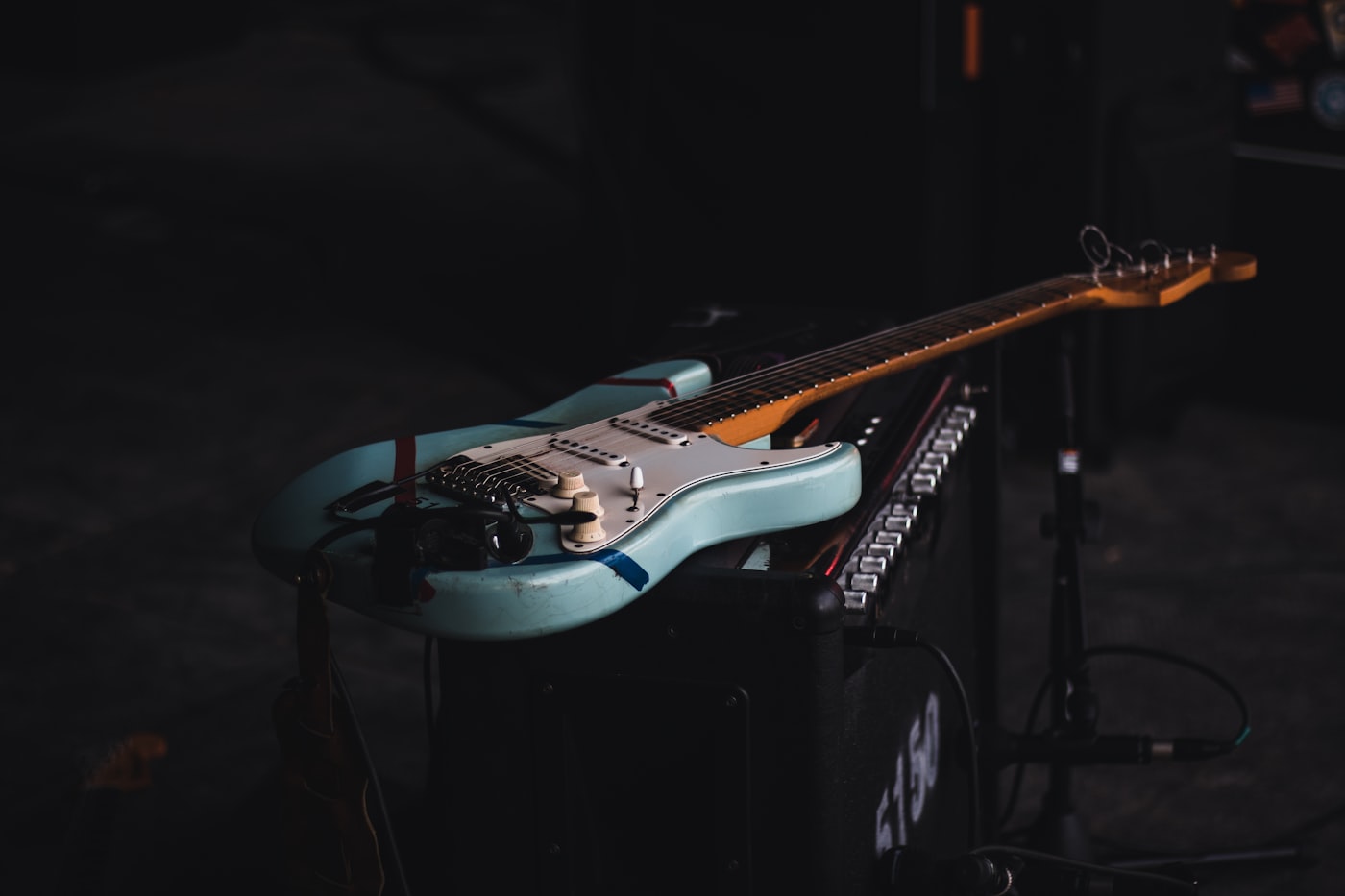
The Best Beginner Electric Guitars Worth Buying
Starting out doesn't mean settling for bad gear. These beginner electric guitars offer real quality at accessible prices and won't hold you back.
 Buying Guides
Why Buying Used Music Gear Makes Financial Sense
New instruments depreciate fast. Used gear offers better value, access to premium instruments, and often outperforms its price. Here's the financial case.