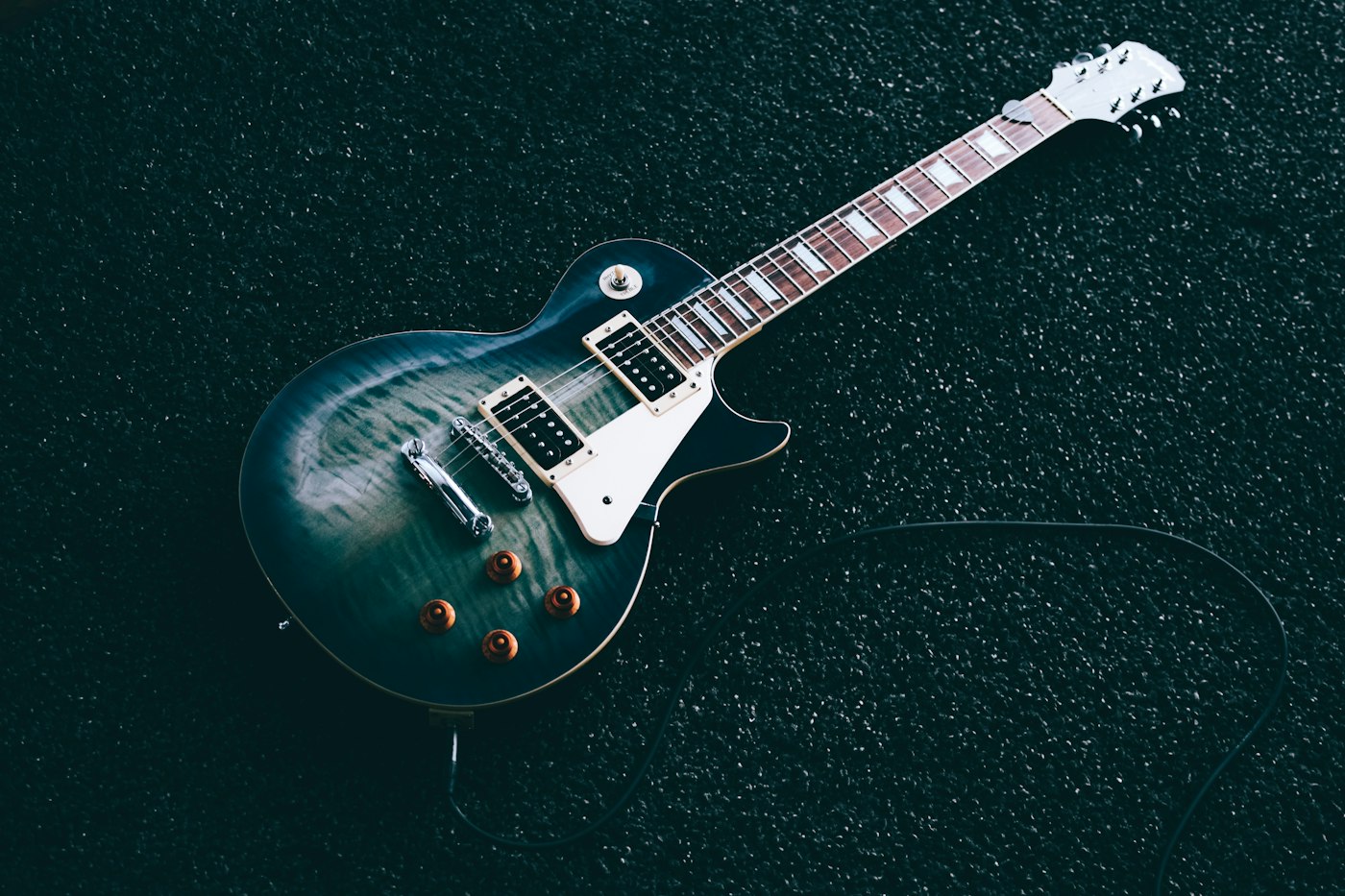
How to Price Used Music Equipment Properly
Pricing used gear incorrectly costs you money whether you go too high or too low. Here's how to research the market and arrive at a price that sells.
The Price Is Part of the Listing
Every seller wants the best price for their gear. Every buyer wants the best deal. The sweet spot — a price that's fair to both sides and moves the instrument quickly — requires research, honesty about condition, and a basic understanding of how buyers think.
Price too high and your listing sits while identical gear sells around it. Price too low and you've left money on the table. Neither outcome serves you well.
Start With Market Research
Before you decide on a price, spend twenty minutes researching what your item is actually selling for right now. Not asking prices — selling prices. There's an important difference.
Search for sold listings on major marketplaces. Look for your specific model in comparable condition. Pay attention to:
- How long similar listings have been active (long-standing listings are often overpriced)
- Variations in price due to included accessories (original case, box, manuals add value)
- Regional price differences if you're selling nationally
- The effect of colour on demand — some finishes are significantly more desirable than others
Condition Grading Matters
The difference between a guitar in Mint condition and one in Good condition can easily be £150–£300 on a mid-range instrument. Be honest with yourself about which grade applies:
- Mint / Near Mint — essentially as new, minimal if any play wear, original packaging ideally included
- Excellent — light play wear, no significant marks, fully functional
- Very Good — visible play wear, possibly some dings or marks, nothing affecting playability
- Good — clear signs of heavy play, potentially some repairs, functions properly
- Fair / Poor — significant damage, requiring work, price reflects project instrument status
Overgrading condition is the single most common mistake sellers make — and the most reliable way to generate negative feedback and returns.
What Adds Value
- Original hardshell case in good condition
- Hang tags, strap, tremolo arm, original bridge cover — any original accessories
- Provenance documentation (receipts, original owner history)
- Factory upgrades or desirable modifications by known luthiers
- Period-correct straps or documentation for vintage instruments
What Reduces Value
- Non-original components — replaced tuners, bridges, or electronics typically reduce rather than add value unless they're upgrades
- Visible repairs, particularly to headstocks
- Refinishes on instruments where originality matters to value
- Missing components — no whammy bar, missing pickup covers, absent knobs
- Damage that's been hidden rather than disclosed
The Psychology of Pricing
Buyers respond to pricing that feels considered rather than arbitrary. A guitar listed at £385 feels more carefully evaluated than one listed at £400. Leaving a little room for negotiation is standard practice in the used gear market — most experienced buyers will make an offer below asking price, and a seller who accepts a £350 offer on a £385 listing has done well for both parties.
If you've priced correctly and the item hasn't moved in two weeks, lower the price by 10-15%. The market is telling you something. Listen to it.
Seasonal Patterns
January (post-Christmas spending) and pre-summer are typically strong selling periods. December is slower as buyers have already made their purchases. Tax return season (particularly in the US) creates a spending spike. These patterns won't transform a badly-priced listing, but they're worth keeping in mind for timing.
Stay in tune with Tonebay
Weekly gear news, buying guides, artist features, and exclusive Tonebay deals — straight to your inbox.
No spam. Unsubscribe anytime.